Global, Black-Necked Crane Conservation Conference Held in Ladakh, Brings together Experts and Communities from Across the Himalayas during Ladakh Black-Necked Crane Festival
Leh Ladakh | 12 August 2026
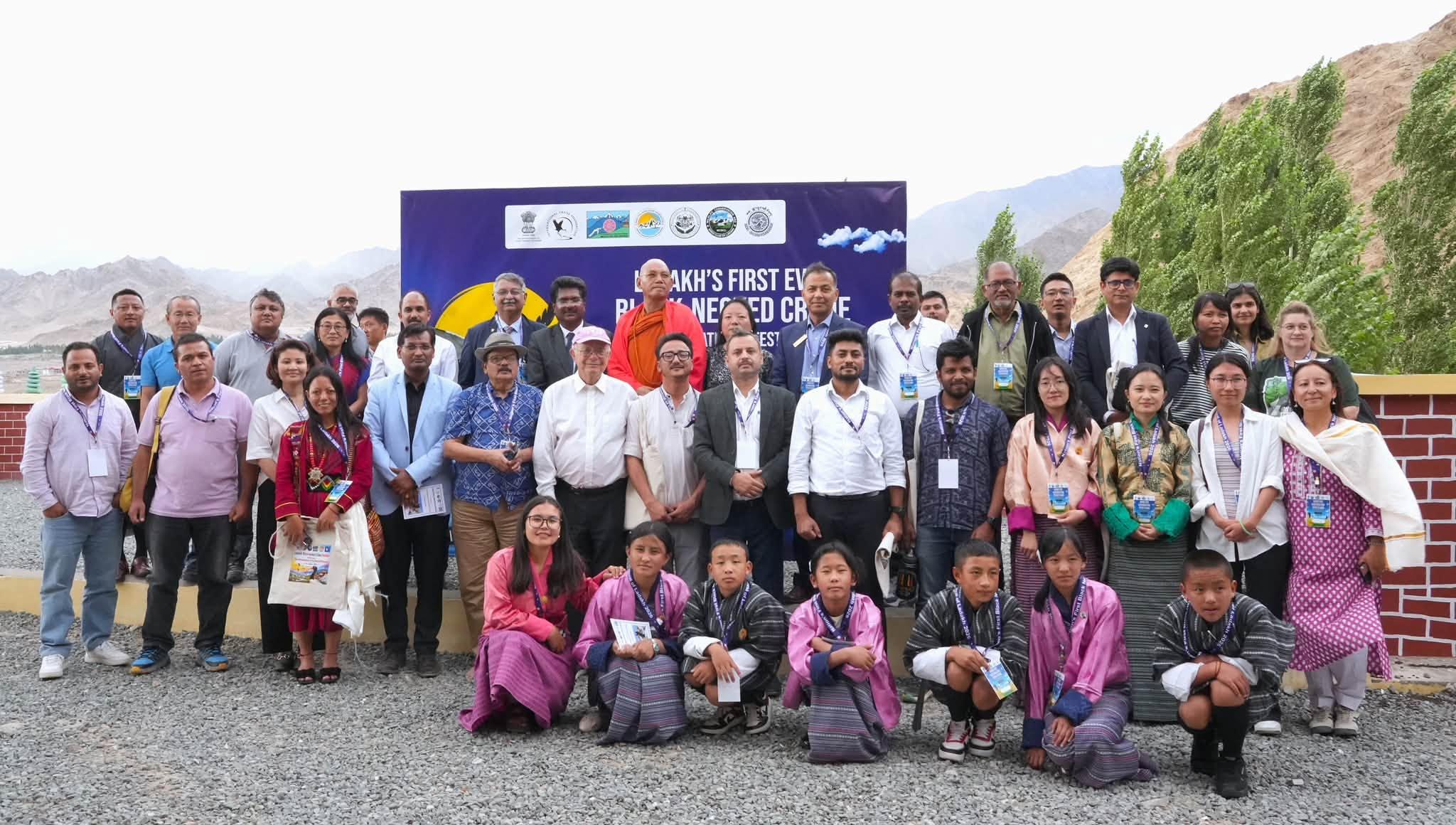
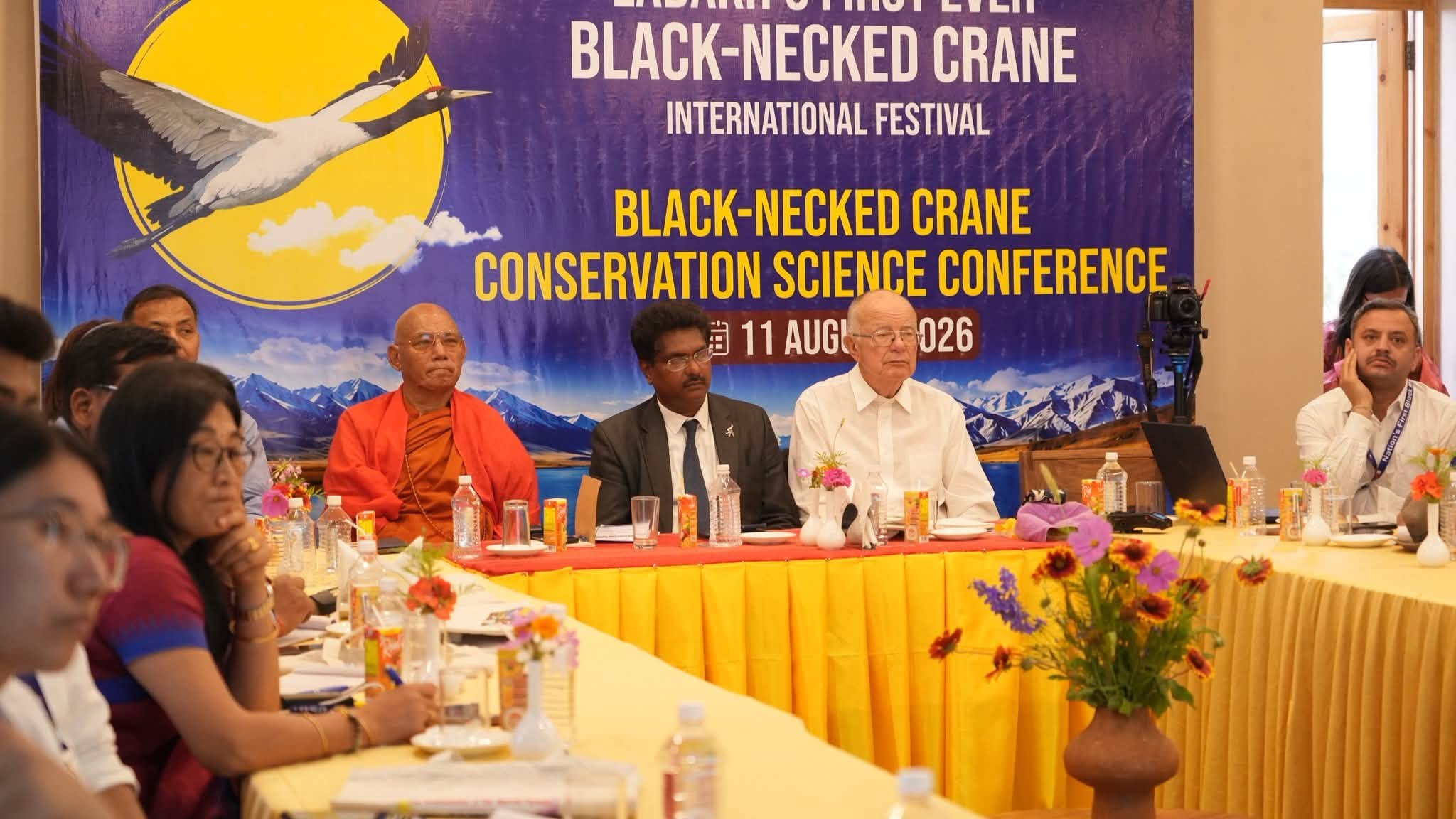
A high-level Black-necked Crane Conservation Science Conference was held on 11 August 2026 at the Conference Hall of the Mahabodhi International Meditation Centre (MIMC), Leh, as an integral part of the historic International Black-necked Crane Festival in Ladakh. The conference brought together leading crane and wetland scientists, wildlife officials, researchers, international conservation organisations, civil society representatives and community conservation practitioners from across the Himalayan region to deliberate on the conservation of the Black-necked Crane (Grus nigricollis) and the future of its habitats.
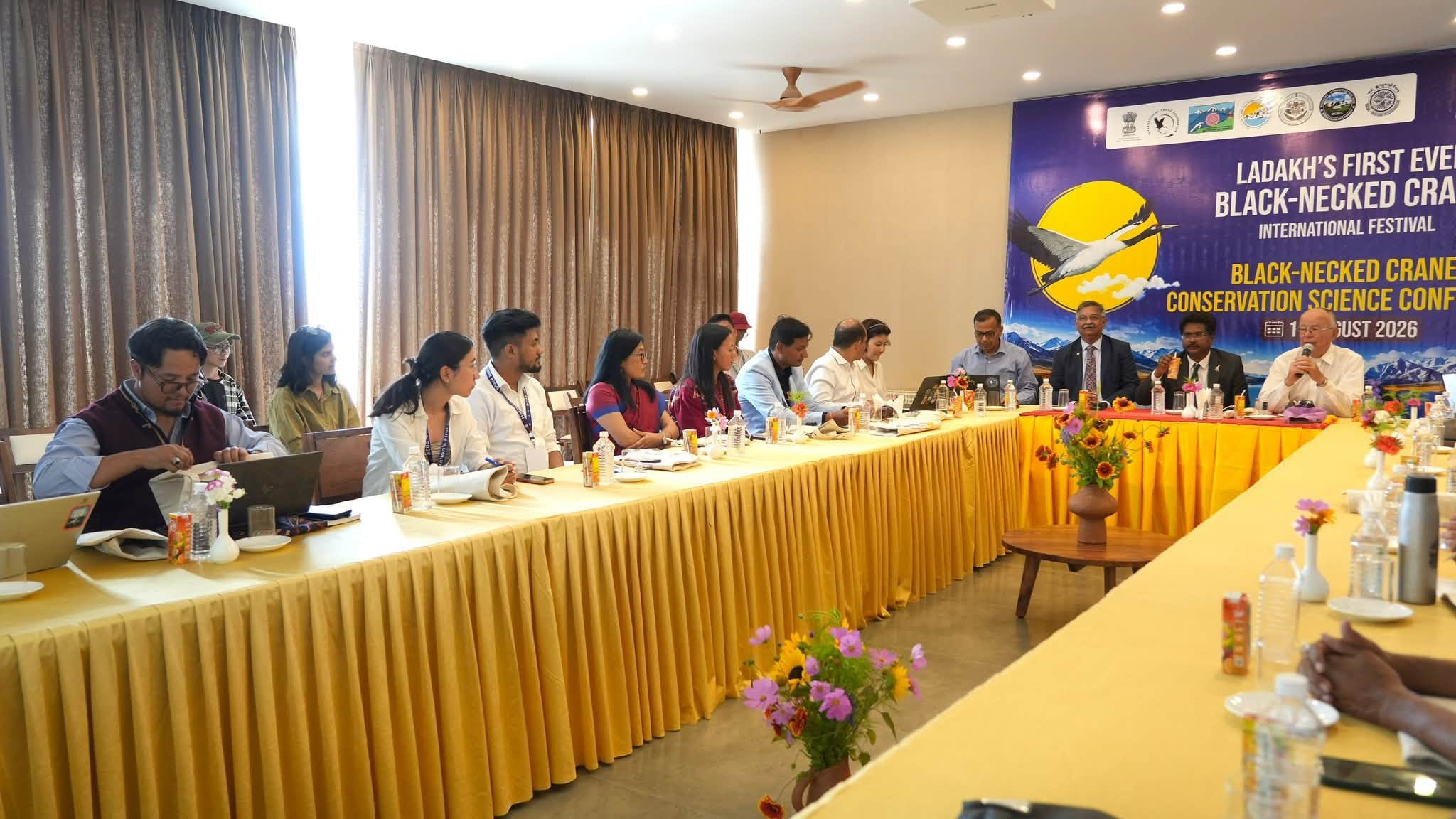
The conference provided a unique platform for bringing together scientific knowledge, field experience, community perspectives and institutional expertise, with discussions focusing on the conservation status of the species, emerging threats, scientific innovations, habitat management and the development of a collaborative conservation framework for the coming decade.
Conference Receives Blessings of Ven. Bhikkhu Sanghasena
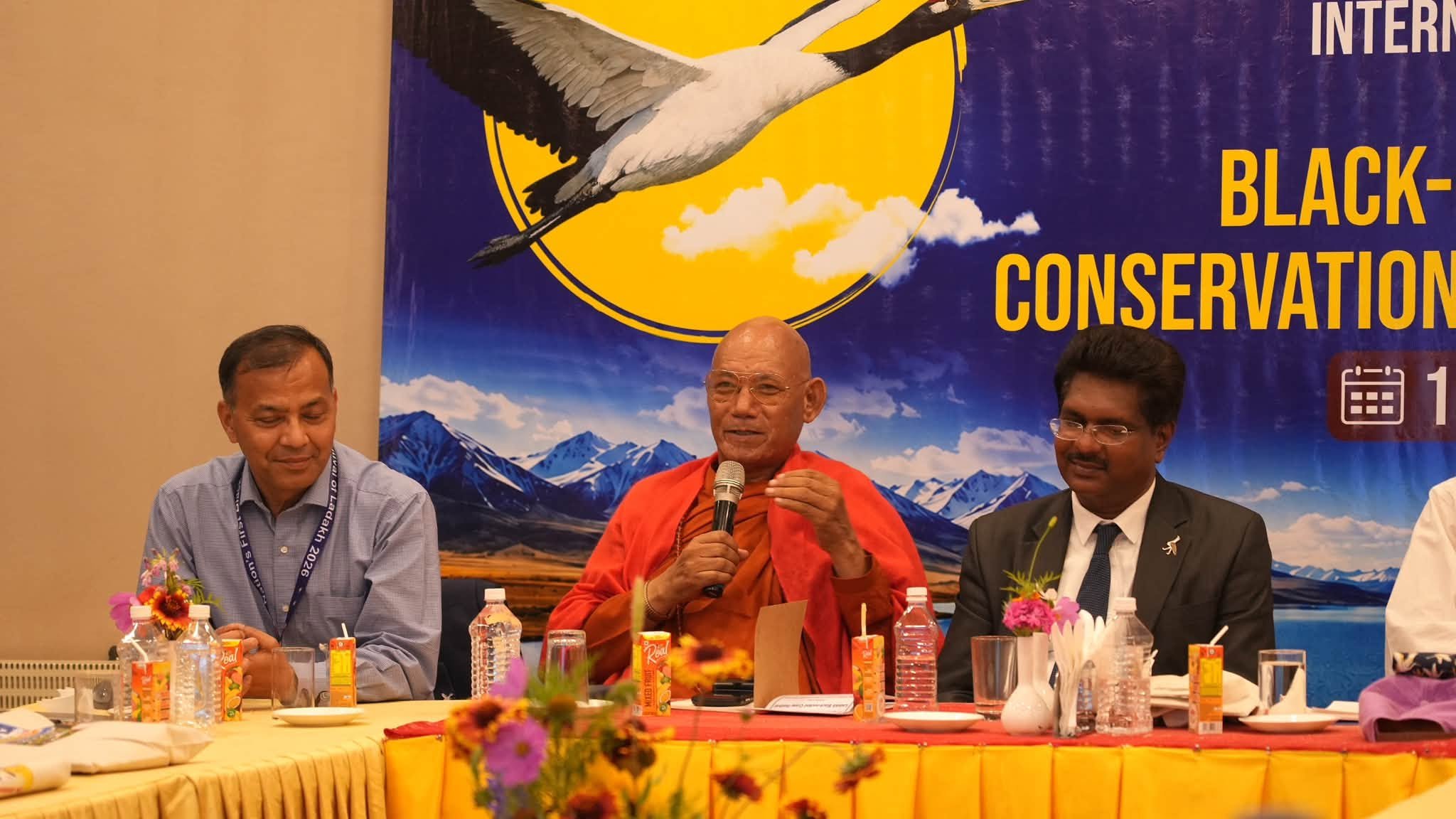
The conference received the blessings and guidance of Ven. Bhikkhu Sanghasena, Founder President of Save the Himalayas & Mahabodhi International Meditation Centre, Leh, who delivered the inaugural welcome address. Welcoming the distinguished Black-necked Crane experts and conservation practitioners, Ven. Bhikkhu Sanghasena extended a special welcome to Mr. George Archibald from the International Crane Foundation (ICF), USA, Dr. Rajesh S. Kumar, IFS Chief Wildlife Warden Ladakh, Mr. Amar Jeet, IFS, DCF, Ladakh, Mr. Jigme Tsering from Bhutan and Ms. Ishana Thappa from Nepal, who represented the wider Himalayan and international conservation community.
He also warmly welcomed the delegation from Arunachal Pradesh, which is home to the only small wintering population of Black-necked Cranes in India outside their principal breeding landscape in Ladakh. He expressed his appreciation to the community leaders and conservation practitioners from Arunachal Pradesh for their dedicated efforts and important contribution towards protecting the wintering cranes and their habitats. He also welcomed Prof. Ashalata from the Tezpur University to the conference.
The participation of Ven. Bhikkhu Sanghasena reflected the distinctive philosophy of the Black-necked Crane Festival, which seeks to connect conservation science with compassion, community responsibility and a deeper spiritual understanding of humanity's relationship with nature. The conference setting at MIMC was particularly significant given the strong cultural and spiritual importance of the Black-necked Crane in the Himalayan region.
Global and Himalayan Expertise at One Platform
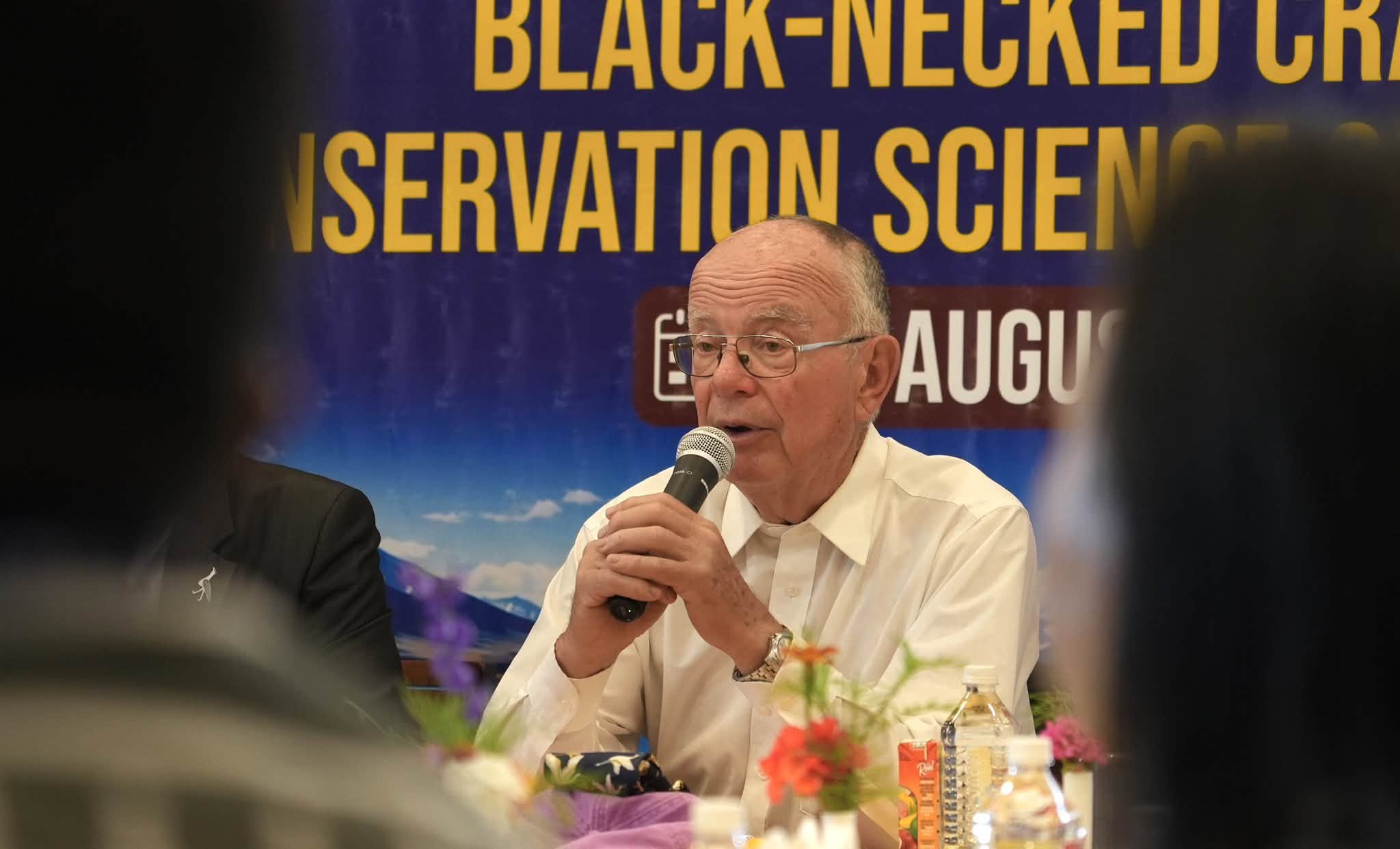
The keynote address was delivered by Dr. George Archibald of the International Crane Foundation (ICF) on “Black-necked Crane Conservation Across the Himalayan Region: Achievements, Emerging Challenges and the Way Forward.” He emphasised that conservation of a migratory species cannot be addressed through isolated site-level interventions and requires protection of breeding, staging and wintering habitats, together with ecological connectivity across the flyway.
Mr. Jigme Tsering, Chief of Conservation, Royal Society for Protection of Nature, Bhutan, shared Bhutan's experience of community-based conservation and monitoring. His presentation highlighted the critical role of local communities, scientific monitoring and traditional knowledge in safeguarding crane habitats.
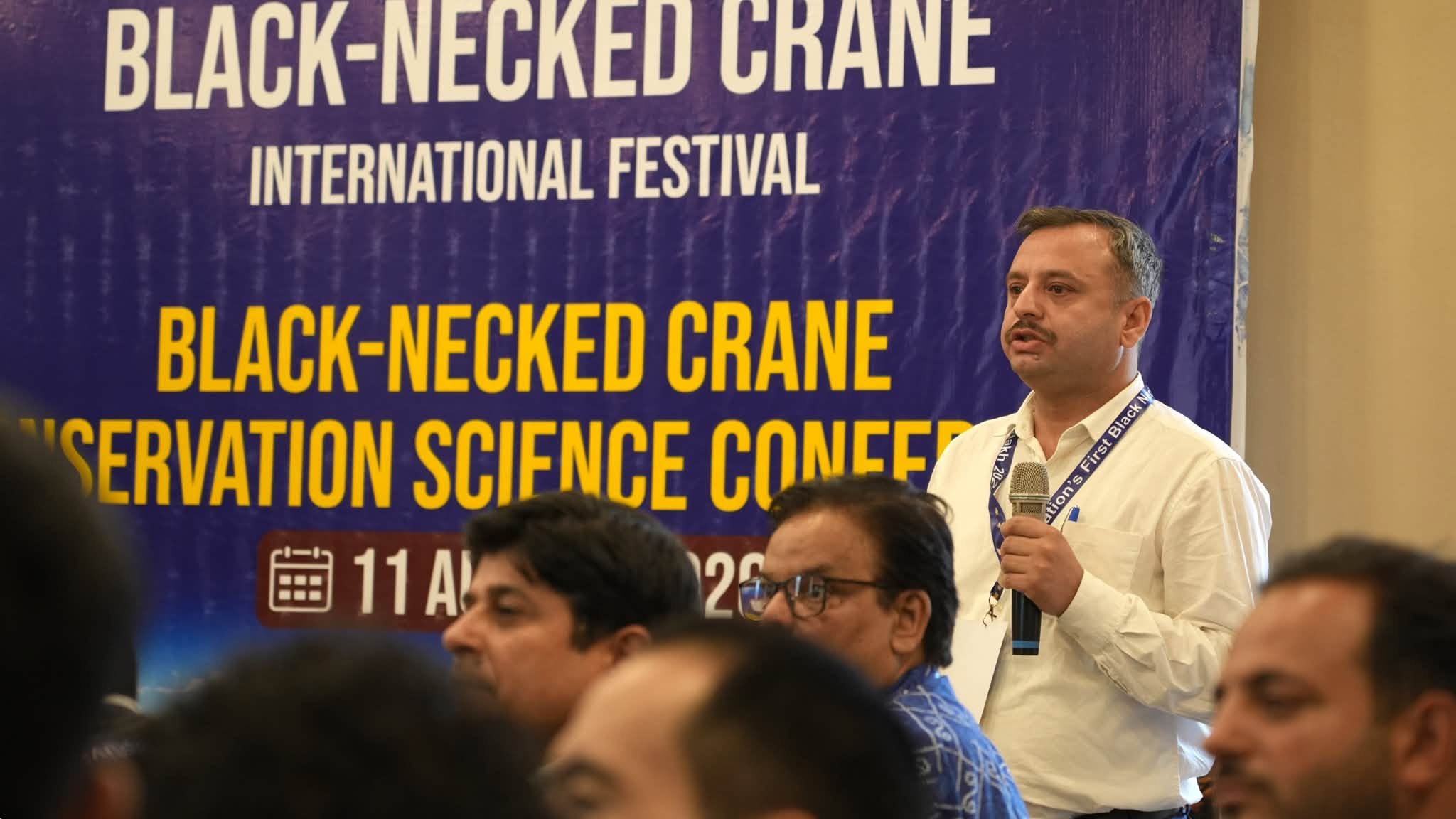
The conference also benefited from perspectives from across the wider region and flyway, reinforcing the importance of international cooperation and a network-based approach to Black-necked Crane conservation.
Science, Technology and Climate Change in Conservation
The technical sessions explored the application of modern science and technology to strengthen conservation efforts. Discussions covered climate change and high-altitude wetlands, satellite telemetry, movement ecology, wetland restoration, habitat management and advanced population monitoring.
The conference recognised that Black-necked Cranes are highly dependent on high-altitude wetlands for breeding, feeding and resting, making the ecological health of these wetlands fundamental to their long-term survival. Participants stressed the need to integrate climate change vulnerability and adaptation into future crane and wetland conservation programmes.
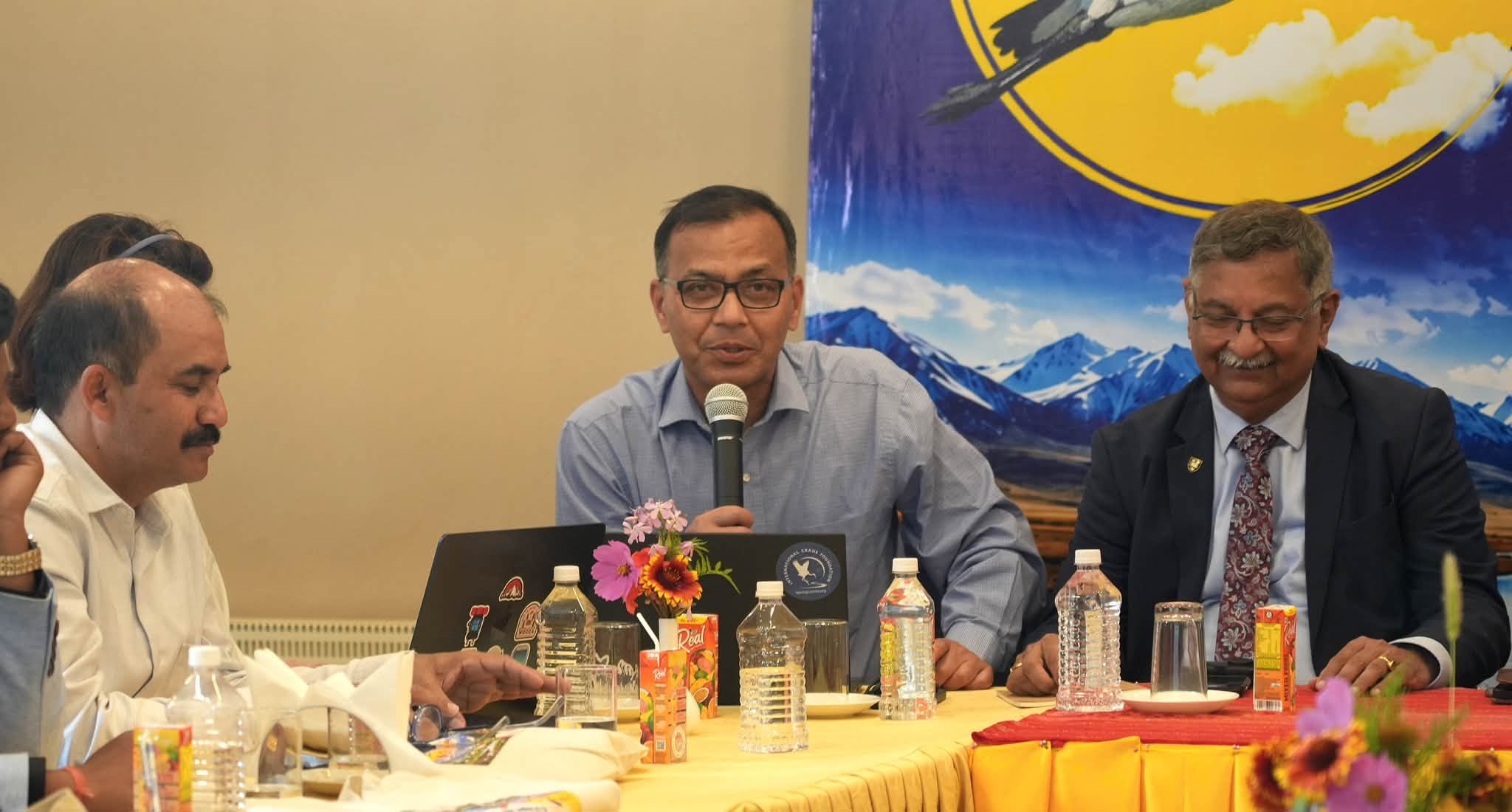
Satellite telemetry and movement ecology were identified as particularly valuable tools for understanding migration routes, seasonal ranges, stopover sites and threats encountered by individual cranes during their annual movements. Such information can help identify the network of habitats that must be protected throughout the species' life cycle. A key highlight of this session was presentation by Ms. Apurva Thappa from Wetlands International South Asia office on the Central Asian Flyway (CAF) and Black-necked Crane Conservation and by Prof. Ajay Taloor of Jammu University on Impacts of Climate Change on habitats of Black-necked Crane.
Strong Focus on Community Stewardship
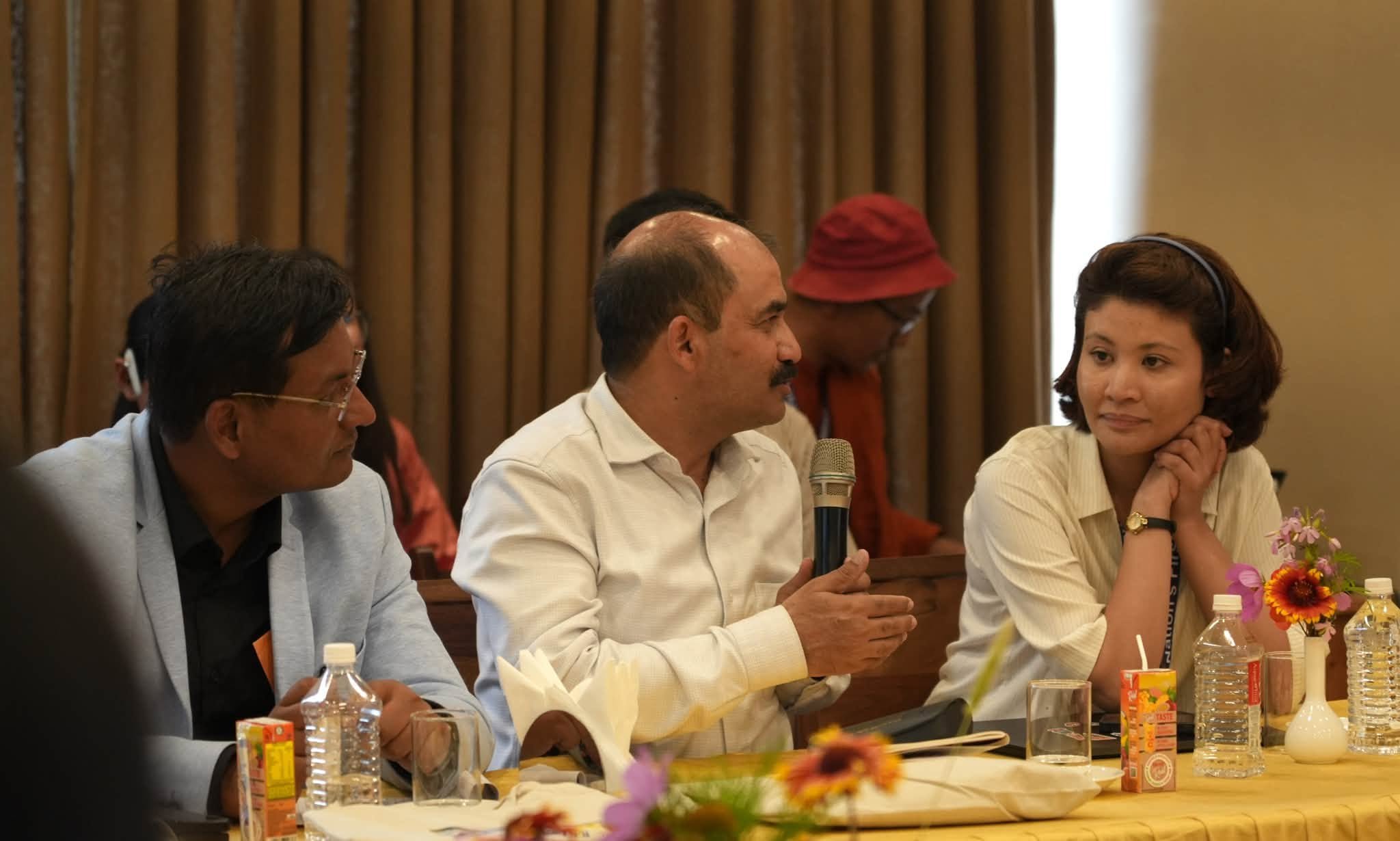
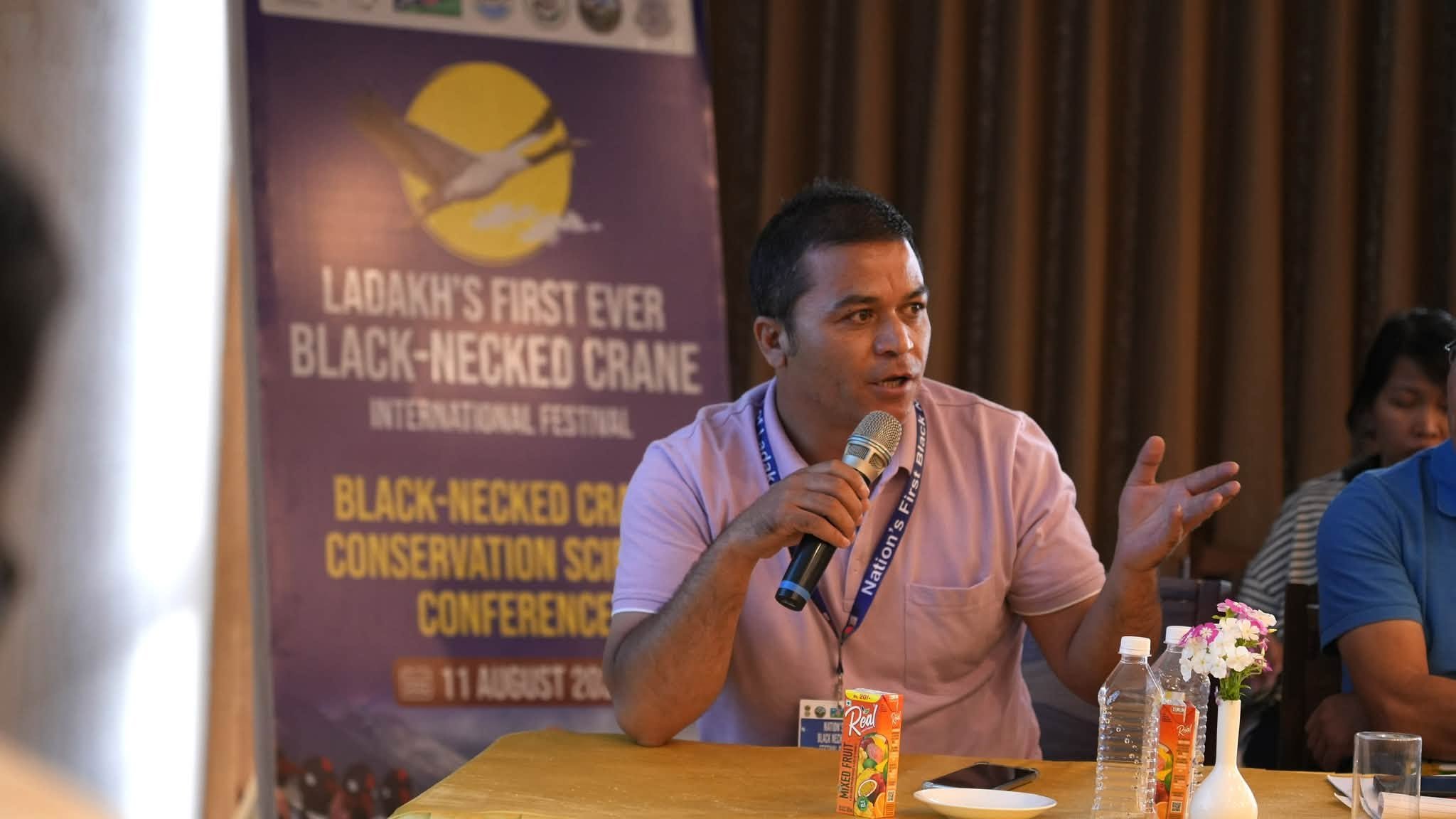
A major theme emerging from the conference was the importance of community stewardship. The participants recognised that local communities are central to the long-term protection of crane habitats and that conservation is more likely to succeed when communities are active partners and beneficiaries.
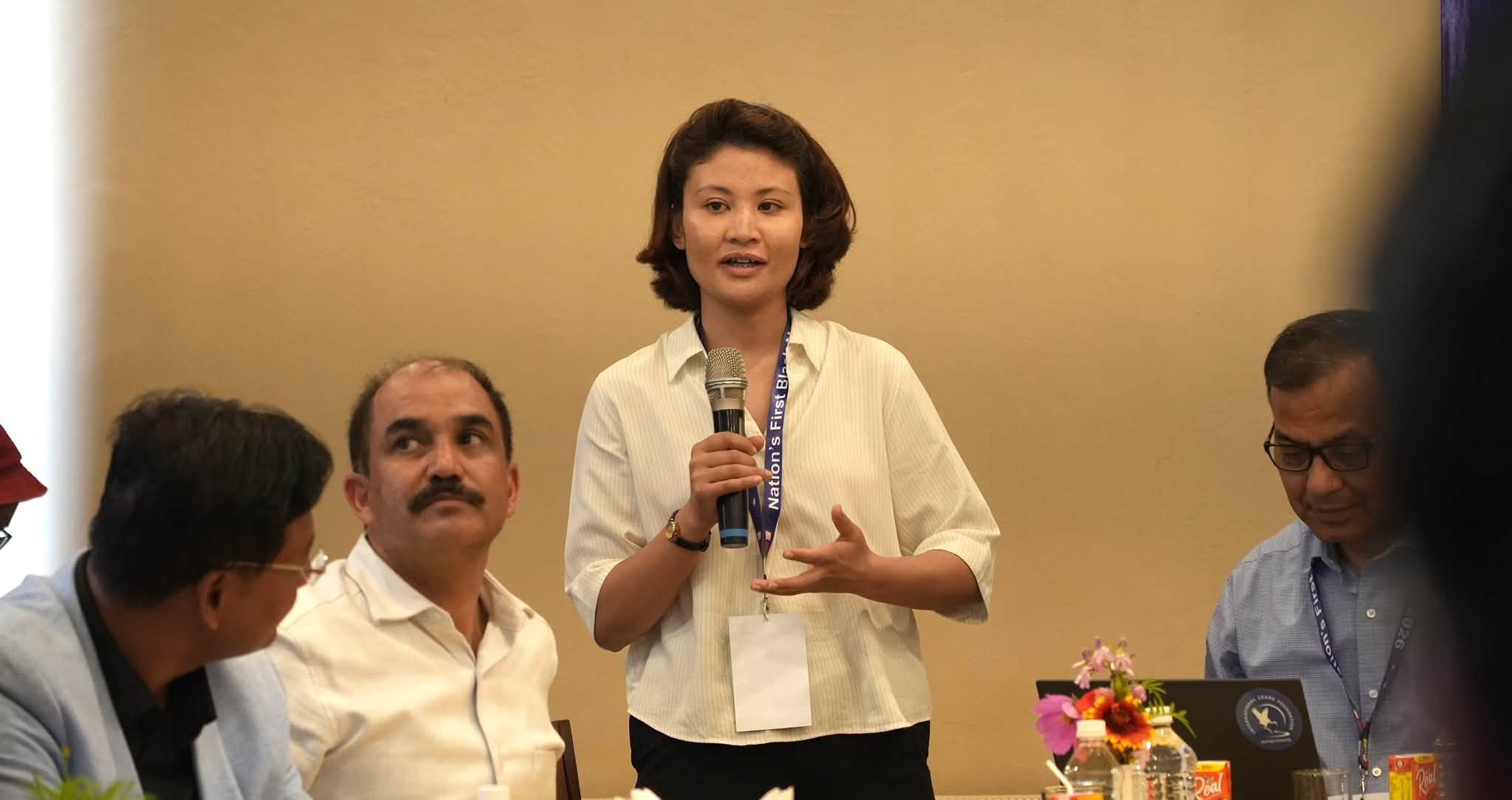
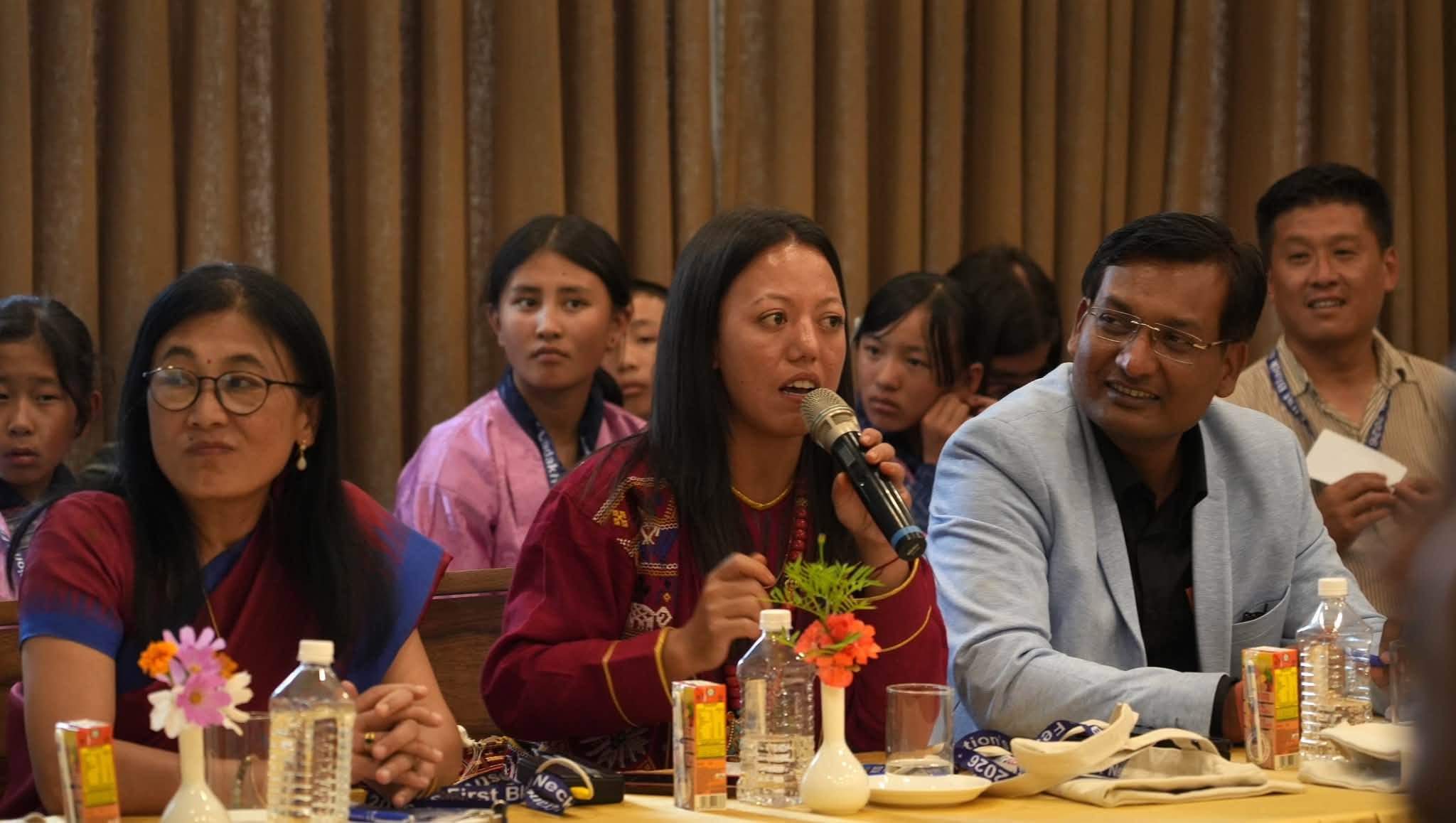
Ms. Lekyi Tsomu, Community Conservationist from Arunachal Pradesh, contributed to the discussion on community stewardship and sustainable livelihoods.
The conference highlighted the importance of combining conservation with sustainable livelihood opportunities to strengthen local ownership and encourage communities to become long-term custodians of crane habitats.
Towards a Collaborative Conservation Framework
The final technical session focused on developing a collaborative conservation framework involving governments, international organisations, research institutions, NGOs and local communities.
Participants stressed the need for greater information sharing, collaborative research, coordinated monitoring and joint approaches to protecting important habitats along the migratory route.
The conference also discussed research priorities for the next decade, including population dynamics, movement ecology, breeding biology, habitat requirements, climate change, wetland ecology and emerging threats. A draft Black-necked Crane Action Plan for India was also presented for discussion.
Key Message: Protect the Crane by Protecting the Flyway
The conference concluded with a strong consensus that the future of the Black-necked Crane depends upon moving from isolated site-based conservation towards a landscape and flywaybased approach. Healthy high-altitude wetlands, scientific research, technological innovation, climate adaptation, community stewardship and international cooperation were identified as the essential pillars of future conservation. Participants emphasised that, as a migratory species, the Black-necked Crane connects countries, communities and ecosystems across the Himalayas and the Central Asian Flyway. Effective conservation will therefore require sustained cooperation among range countries, governments, scientists, conservation organisations and local communities. The conference marked an important milestone in bringing together the global scientific community, Himalayan conservation practitioners and local communities on a common platform in Ladakh, strengthening the vision of making the Black-necked Crane a symbol of Himalayan ecological cooperation, compassion and peaceful coexistence.
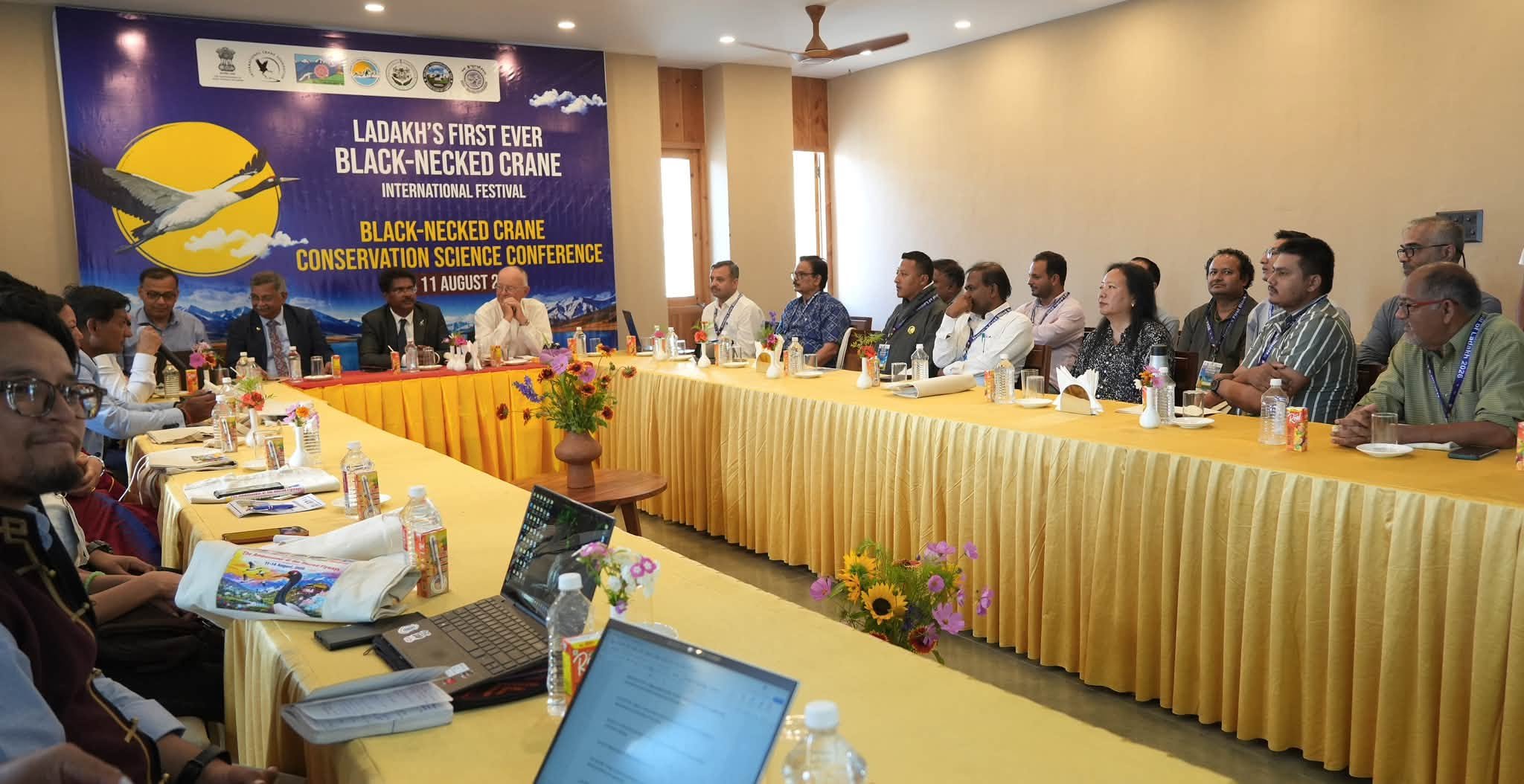
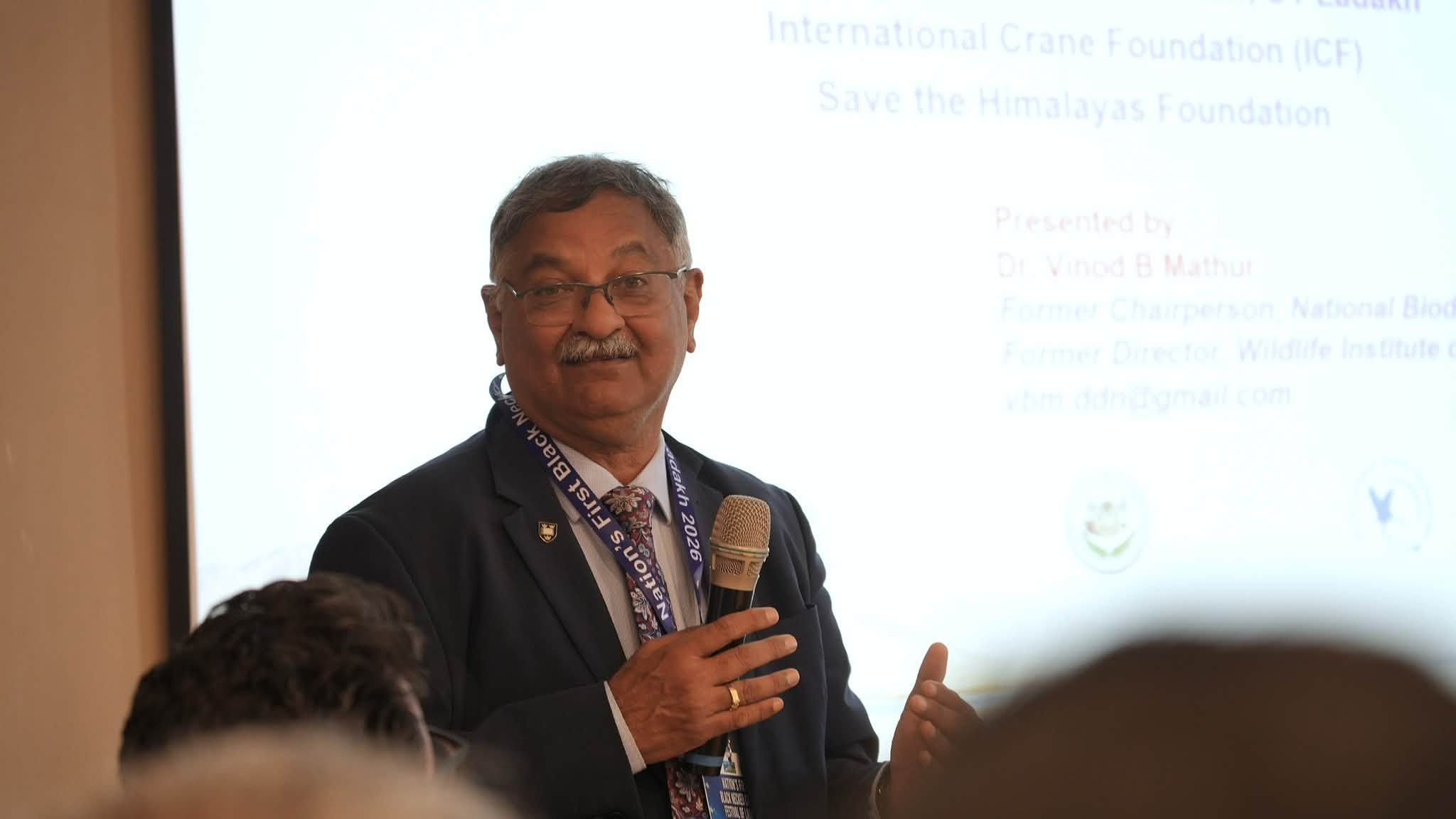
The successful organisation of the landmark conference was greatly strengthened by the valuable support and leadership of Dr. Rajesh S. Kumar, Chief Wildlife Warden, Ladakh, whose commitment and facilitation played an important role in bringing together the diverse scientific, governmental and community stakeholders. Dr. Mahendra Shreshta, Asia Region Head, International Crane Foundation (ICF), highlighted the importance of strengthening regional cooperation and building a coordinated, science-based approach for the long-term conservation of the Black-necked Crane across its Himalayan range. A major outcome of the conference was the presentation of the draft Black-necked Crane Action Plan Framework for India by Dr. V. B. Mathur, Former Director, Wildlife Institute of India, providing an important foundation for developing a coordinated long-term conservation strategy for the species in India.
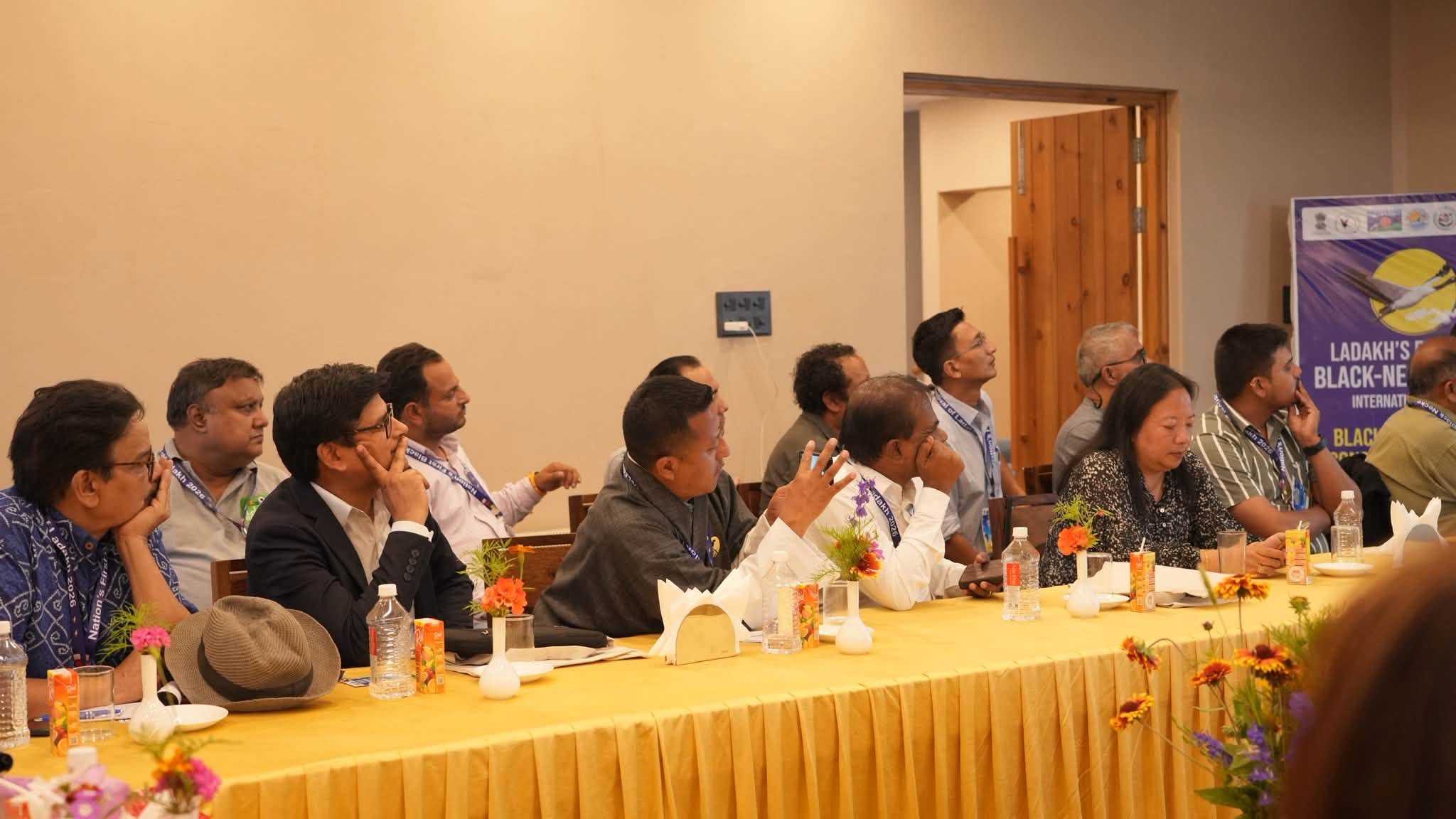
The conference brought together international expertise, government leadership, scientific knowledge and community experience towards a common vision for Black-necked Crane conservation. Dr. Pankaj Chandan, Senior Wildlife Conservation Scientist, Save the Himalayas Foundation, served as the Conference Coordinator.