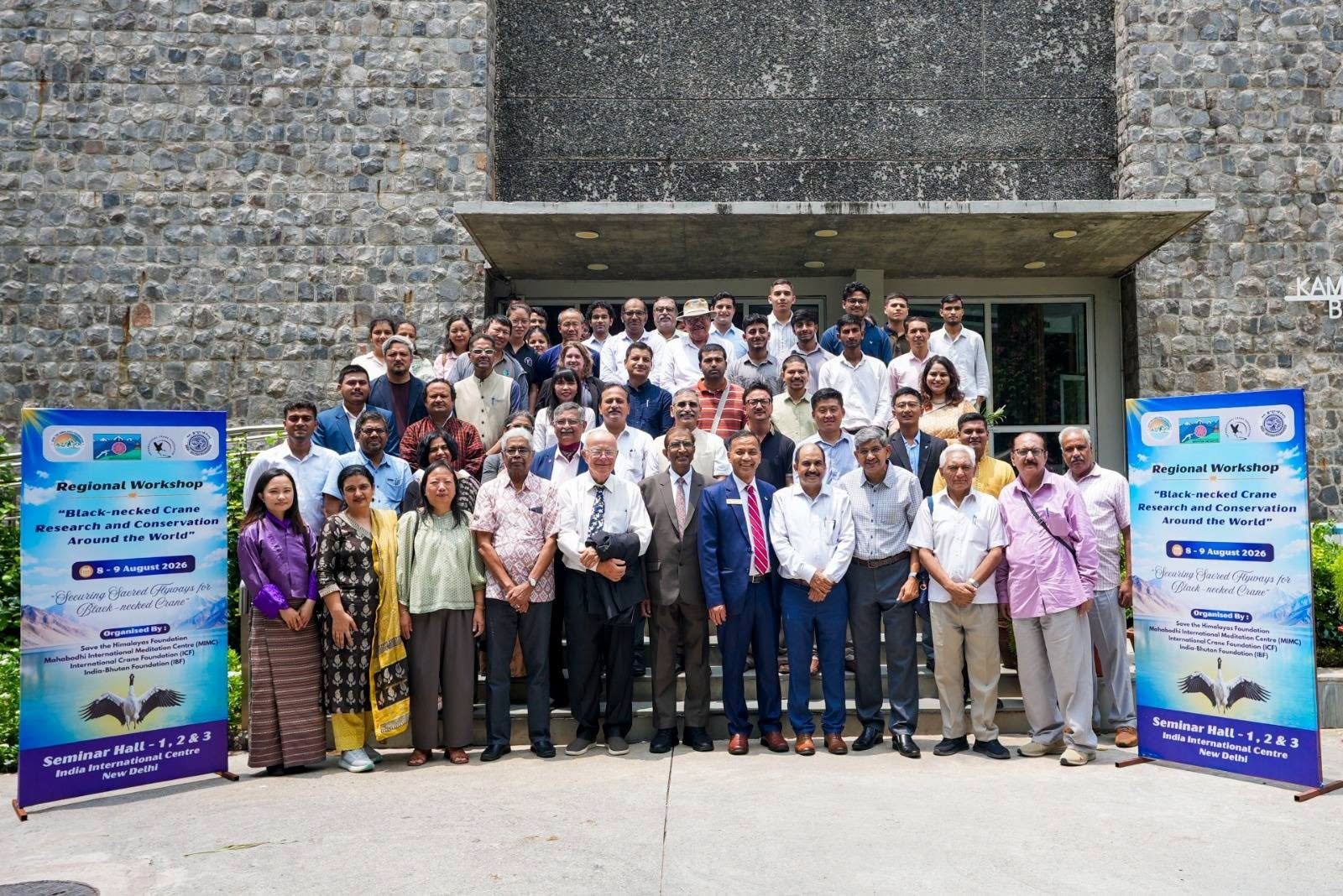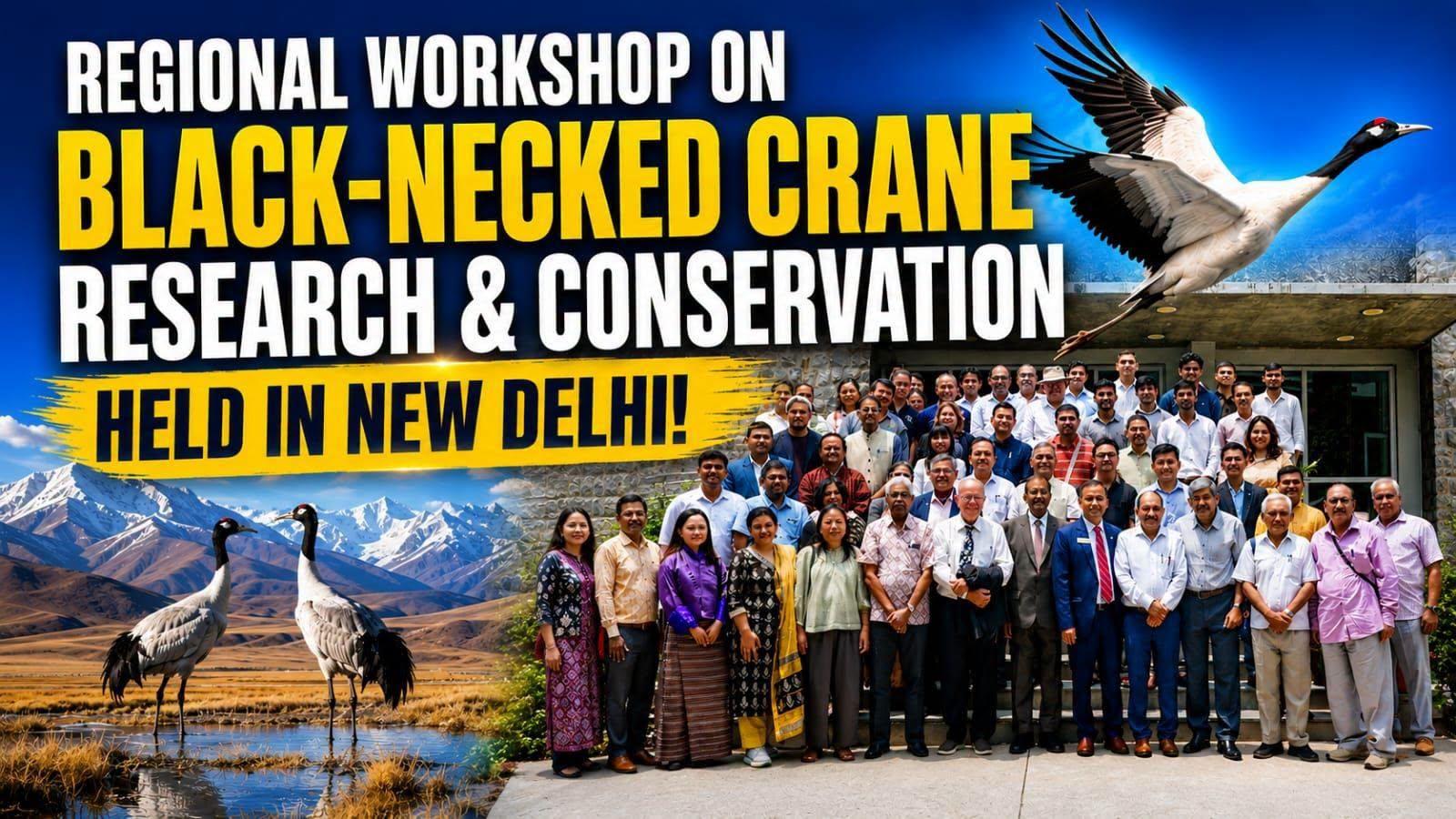
Regional Workshop on Black-Necked Crane Research and Conservation held in New Delhi, 9 August 2026
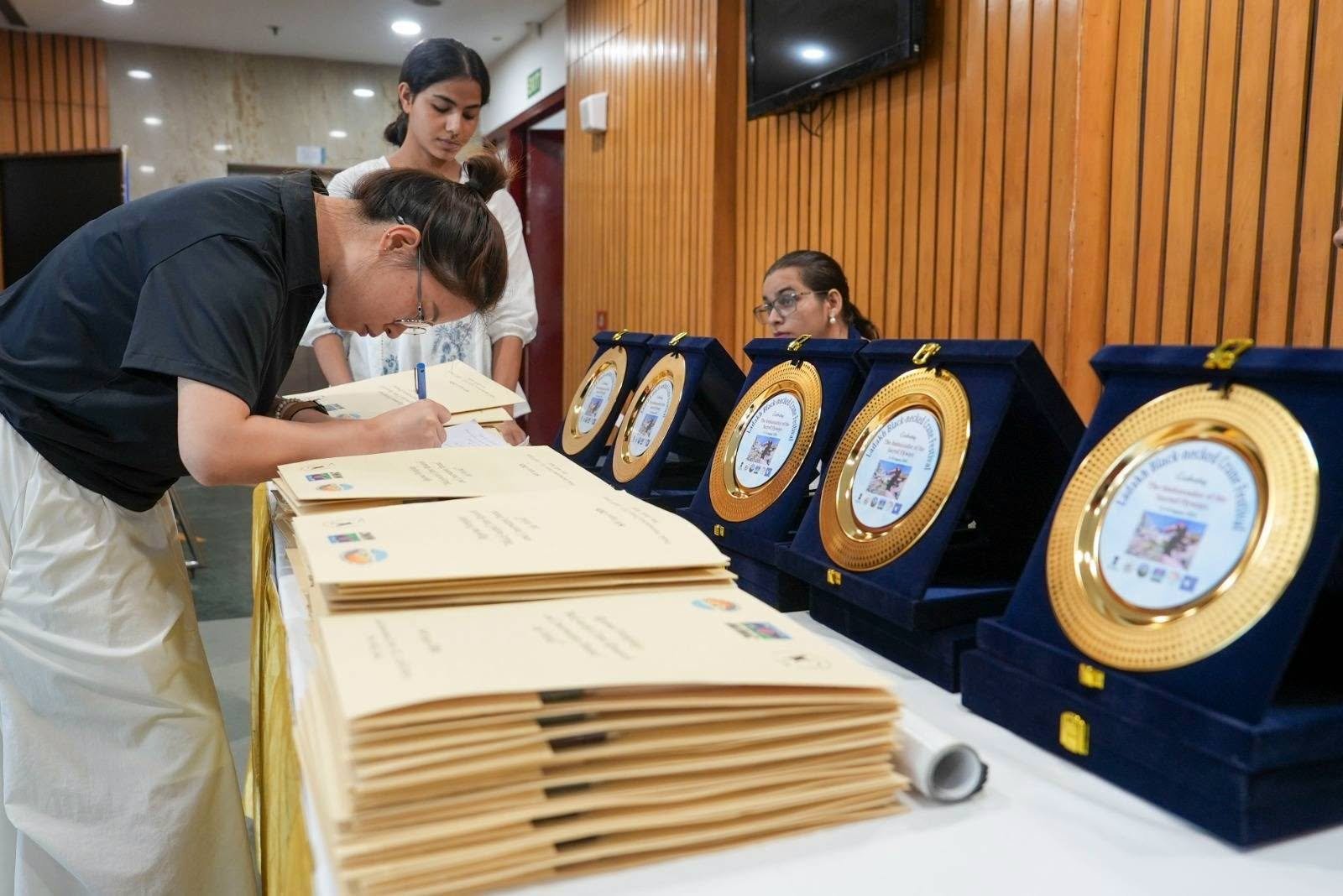
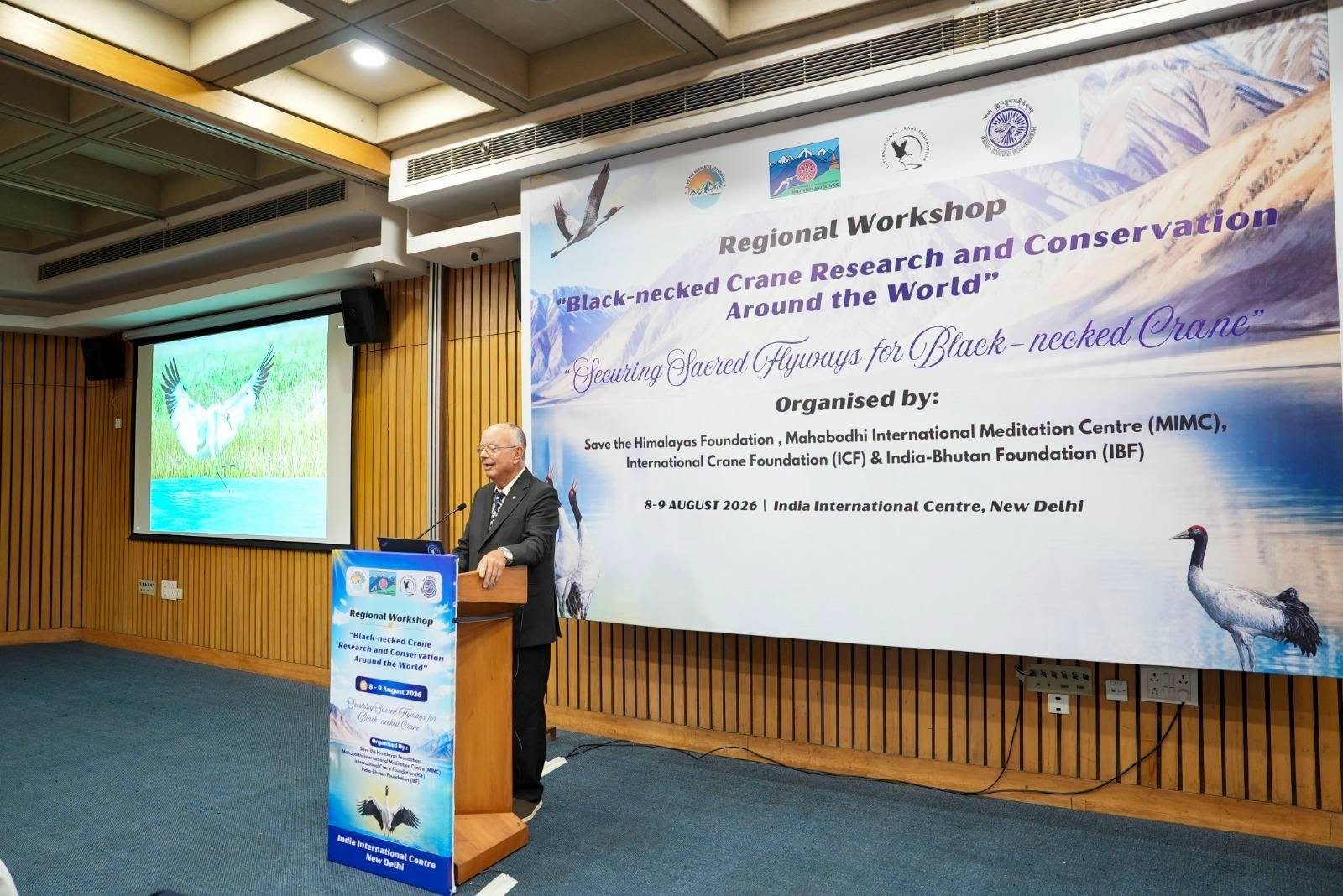
A two-day Regional Workshop on “Black-necked Crane Research and Conservation Around the World” was held at the India International Centre (IIC), Lodhi Estate, New Delhi, on 8–9 August 2026, bringing together leading crane experts, conservation scientists, government representatives and country-specific teams working for the conservation of the Black-necked Crane across its range. The workshop received patronage from Ven. Bhikkhu Sanghasena, Founder President Save the Himalayas Foundation and he wished all success to this regional initiative on the conservation of Black-necked Cranes.
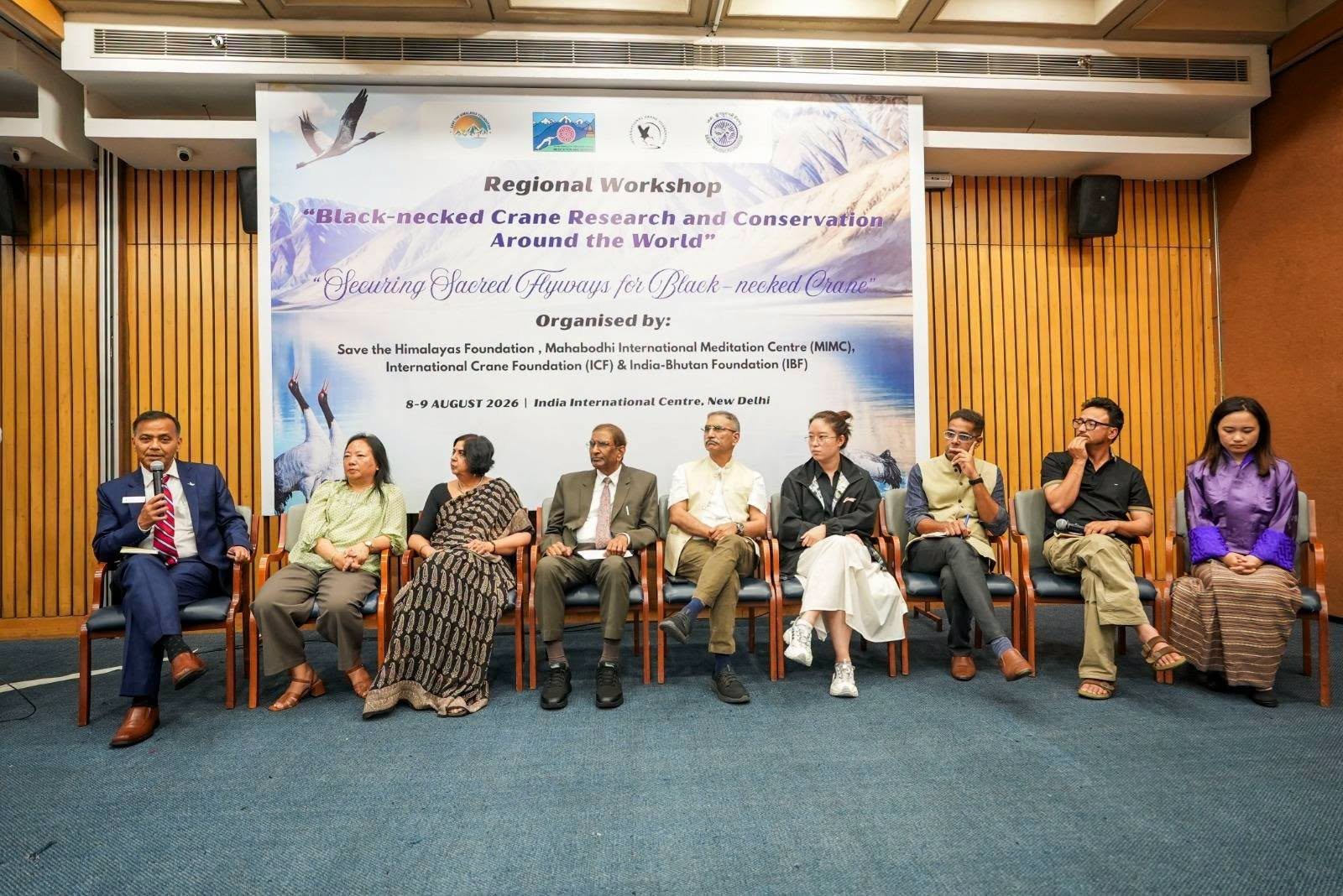
The workshop was organised jointly by the Save the Himalayas Foundation, Mahabodhi International Meditation Centre (MIMC), Leh, and the International Crane Foundation (ICF) as part of their shared commitment to strengthening scientific research, regional cooperation and long-term conservation of the Black-necked Crane and its high-altitude wetland habitats. The workshop provided an important platform for experts and conservation practitioners from different countries to share scientific knowledge, review ongoing conservation programmes, discuss emerging threats and develop coordinated strategies for securing the future of the species across its range.
Global and Regional Perspectives
The first day of the workshop, held on 8 August, featured a public meeting and a series of expert presentations on the status, threats, research and conservation priorities of the Black-necked Crane. The programme opened with a welcome address by Maj. Gen. Yash Mor, CEO, Save the Himalayas Foundation, followed by an address by Dr. Mahendra Shrestha, Vice President, Asia-Pacific Programs, International Crane Foundation, on the Black-necked Crane Regional Initiative.
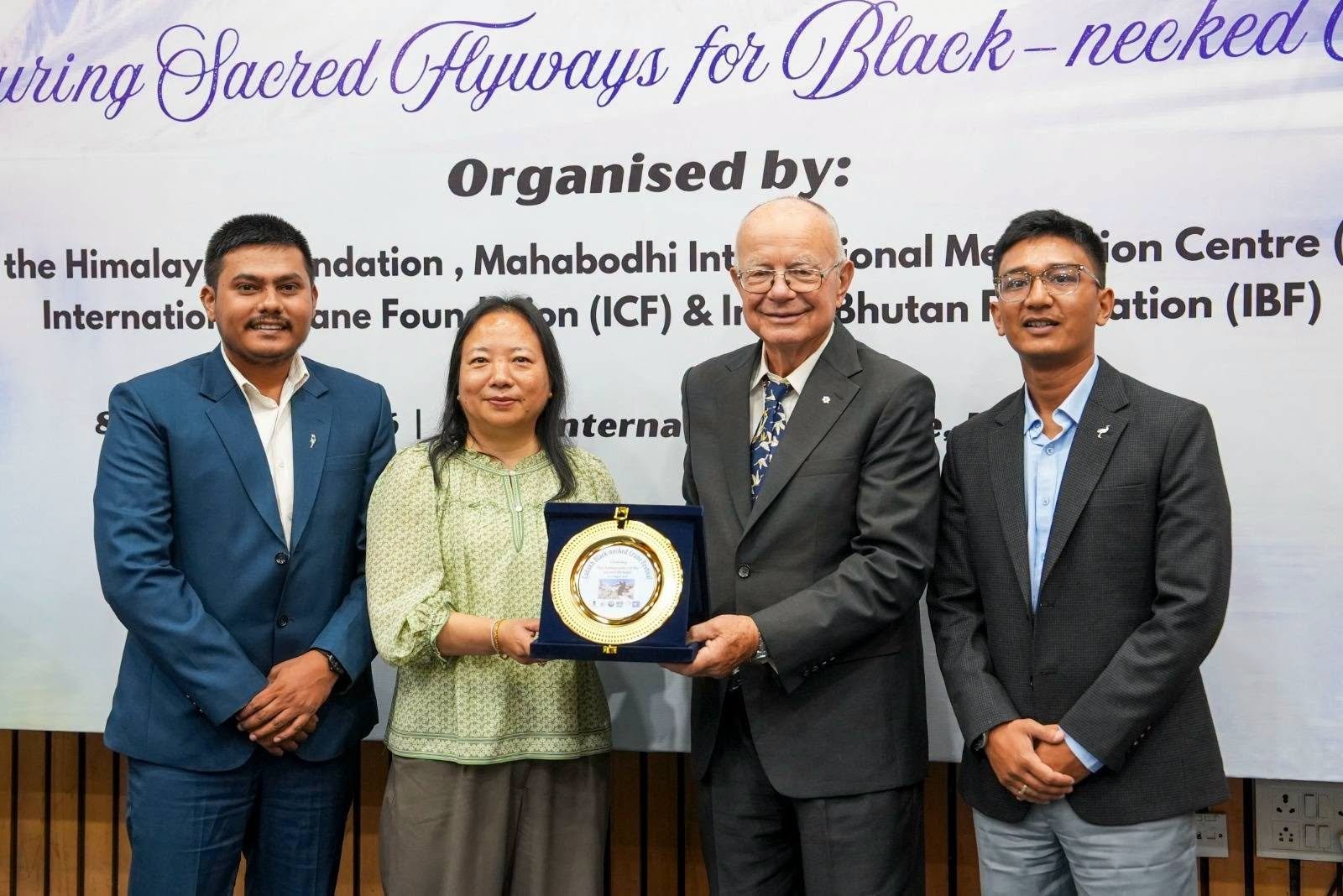
A major highlight of the programme was the key note presentation by Dr. George Archibald, Co-founder of the International Crane Foundation, on the conservation of cranes around the world. The workshop also featured expert presentations on the Framework for a Black-necked Crane Action Plan for India, conservation of the species in India, key threats to the species and the future of conservation science for the Black-necked Crane. The workshop subsequently examined the role of the Central Asian Flyway Initiative in Black-necked Crane conservation, with Dr. Ritesh Kumar of Wetlands International providing an important regional perspective. Country-level presentations were then made on Black-necked Crane conservation efforts in India, China, Bhutan and Nepal, represented respectively by Dr. Pankaj Chandan, Prof. Heqi Wu & Dr. Li Fengshan, Mr. Jigme Tshering and Ms. Ishana Thapa.
Strengthening India's Black-necked Crane Action Plan
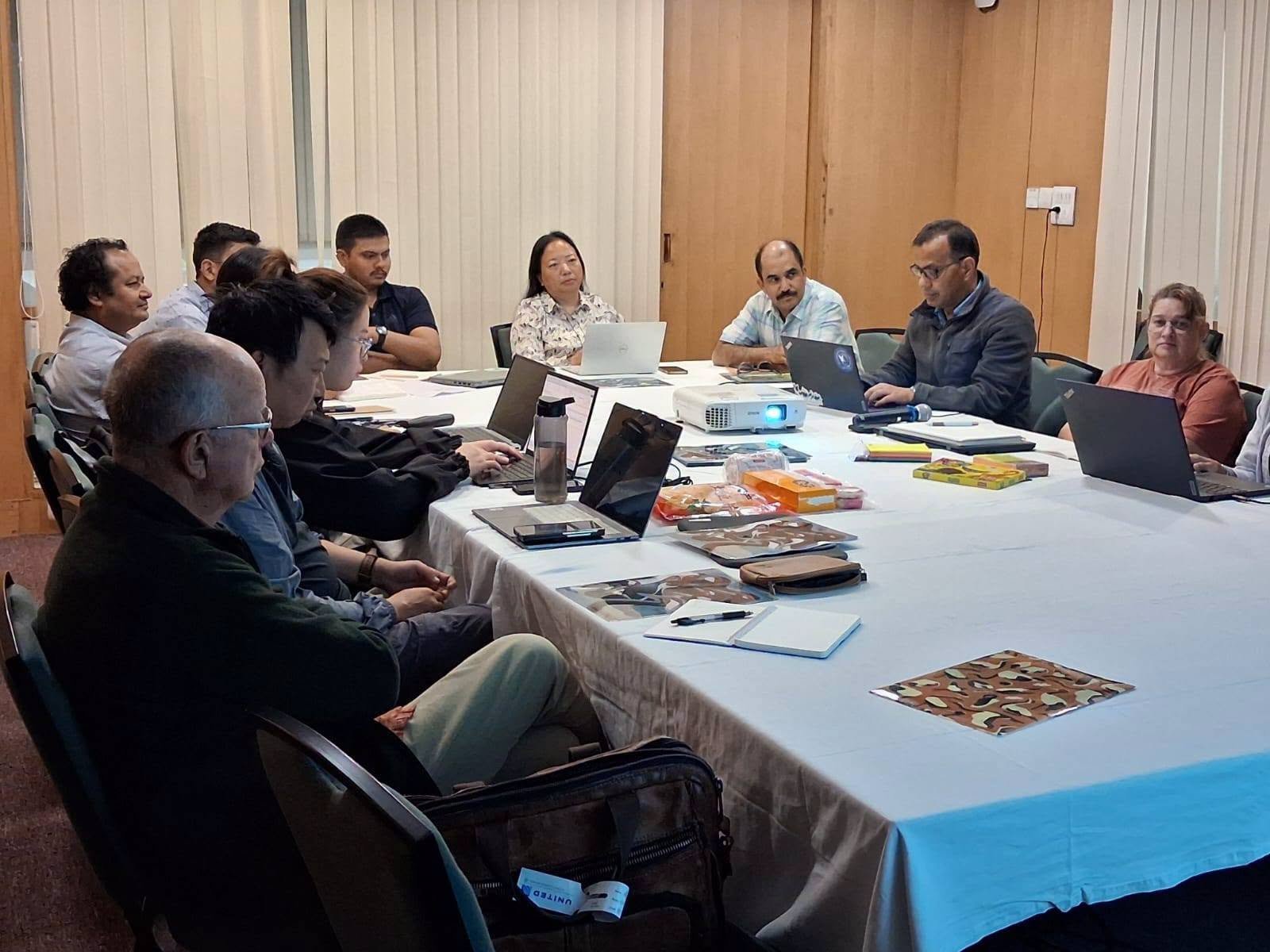
The post-lunch session focused on a Panel Discussion on the Black-necked Crane Action Plan for India, bringing together representatives and experts from the Wildlife Trust of India (WTI), Bombay Natural History Society (BNHS), Wetlands International and WWF-India. The discussion examined key conservation priorities and approaches required to strengthen protection and management of the species and its habitats in India.
Country-Specific Strategies for the Future
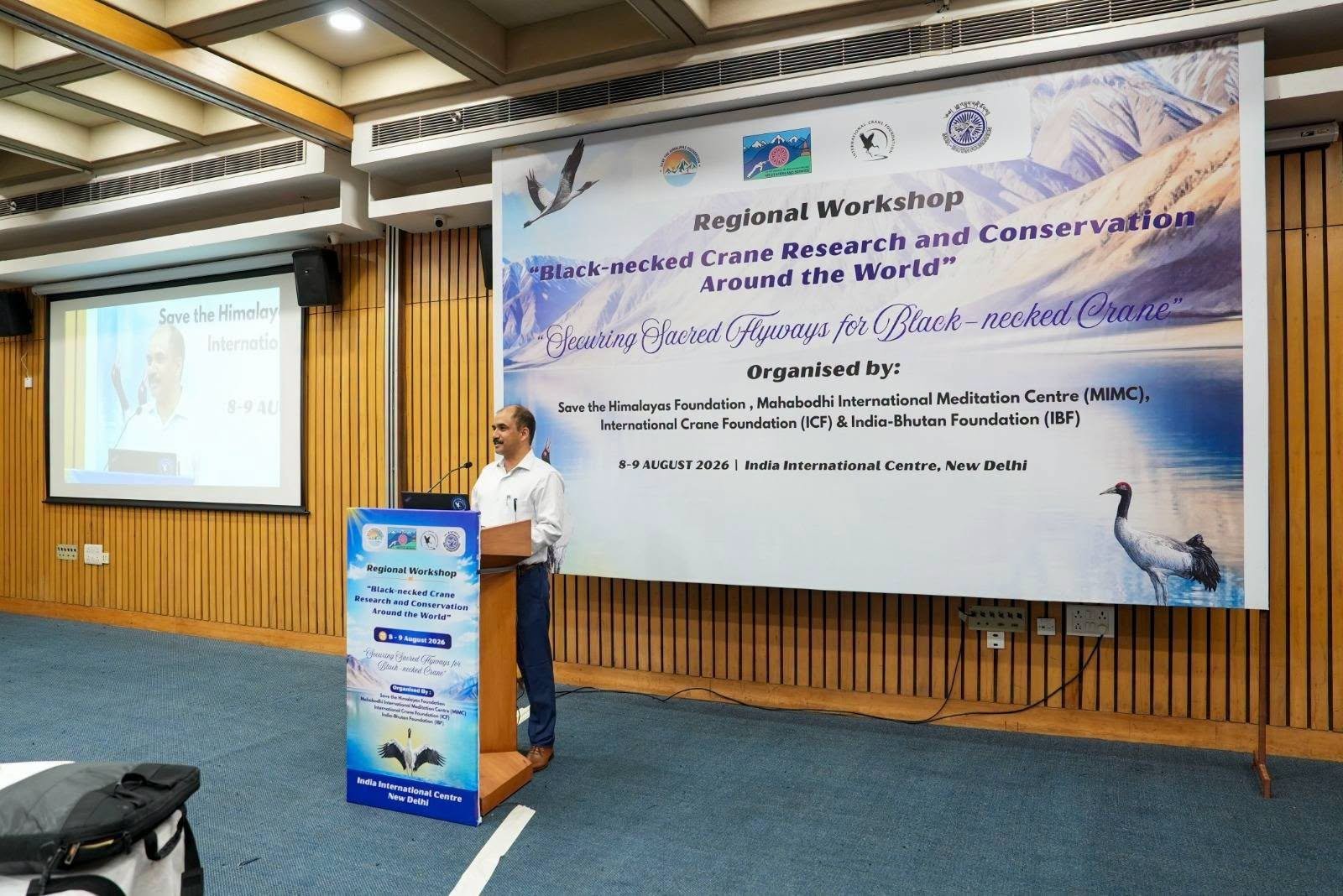
The second day of the workshop, held on 9 August, was dedicated to detailed presentations by country-specific Black-necked Crane project teams. Teams working in different countries presented updates on their ongoing research and conservation programmes, including achievements, field experiences, emerging challenges and priorities. Following these presentations, the participating country teams engaged in strategic discussions to design and refine future strategies for Black-necked Crane research and conservation in their respective countries for the coming years. The discussions provided an opportunity to identify both common regional challenges and country-specific priorities and to explore areas where international collaboration could strengthen conservation outcomes.
The participating teams emphasised the importance of strengthening long-term population monitoring, scientific research, habitat protection and restoration, community participation, threat mitigation, knowledge sharing and institutional cooperation. The discussions also highlighted the need for greater coordination among countries connected through the Black-necked Crane's breeding, migration and wintering range.
Towards a Regional Black-necked Crane Conservation Network
The workshop reaffirmed that the conservation of the Black-necked Crane requires cooperation that extends beyond national boundaries. The species is dependent on a network of high-altitude wetlands and landscapes that are ecologically interconnected across countries. Effective conservation therefore requires shared scientific knowledge, coordinated monitoring, exchange of experiences and joint action among range countries.
The New Delhi workshop marked an important step towards building a stronger regional platform for Black-necked Crane conservation, bringing together experts and practitioners from across the species' range. It also strengthened the foundation for coordinated research and conservation strategies that can guide work in individual countries while contributing to a common regional vision.
The organisers expressed their commitment to continuing this collaboration and creating greater opportunities for scientists, conservation organisations, governments, local communities and other stakeholders to work together for the protection of the Black-necked Crane and the fragile Himalayan and Central Asian wetland ecosystems on which it depends.
The workshop concluded with a shared vision that the Black-necked Crane can serve not only as an indicator of the health of high-altitude wetlands, but also as a powerful symbol of cooperation, friendship and peace among the countries of Asia.